Call us now :08045802319
 Send Inquiry
 Send Inquiry
Cable Terminals
Cable Terminals Specification
- Input
- Copper/Aluminum Wire
- Interface
- Crimping/Lug mounting
- Thermal Conductivity
- Excellent, 401 W/mK (Copper)
- Output
- Connected Electrical Circuit
- Operating Temperature
- -40C to +105C
- Components
- Copper/Aluminum terminal, tin-plated surface
- Features
- Corrosion resistant, robust construction, easy installation
- IP Rating
- IP20 (when installed properly)
- Usage
- Electrical wiring and connections
- Product Type
- Cable Terminal
- Application
- Electrical installations, panel wiring, machinery
- Rated Voltage
- Up to 1000V
- Supply Voltage
- Up to 1000V
- Size
- Standard sizes available (M2-M10)
- Dimension (L*W*H)
- Varies by model, typically 20 mm 8 mm 6 mm
- Function
- Provides secure electrical connection for wires and cables.
- Color
- Silver
- Weight
- Varies per terminal type
- Thickness
- 0.5 mm to 2 mm (depending on terminal type)
- Capacity
- Suitable for 1.5 mm to 35 mm cable sizes
- Current Rating
- 10A - 200A
- Frequency
- 50Hz - 60Hz
- Surface Finish
- Electro-tinned for enhanced corrosion resistance
- Mounting Type
- Ring, pin, fork, spade
- Maximum Wire Entry
- Varies, up to 35 mm
- Packaging
- 100 pieces per box
- Connection Method
- Crimp or solder type
- Hardness
- HV 50
- Compliance Standards
- IS/IEC 61238-1
- Mechanical Strength
- High tensile strength
- Environmental Standards
- Meets RoHS and Reach requirements
- Insulation
- Available with PVC sleeve options
- Flame Retardant
- Yes
- Customization
- Custom sizes and types available on request
- Resistance to Vibration
- High
- Material
- High conductivity copper or aluminum
- Service Life
- 10 years
- Lead Type
- Standard and insulated lead types
Cable Terminals Trade Information
- Main Export Market(s)
- Asia, Australia, Central America, North America, South America, Eastern Europe, Western Europe, Middle East, Africa
About Cable Terminals
Cable Terminals that we are offering are widely acclaimed among our customers owing to their superior design and performance. These terminals are made out of first-rate raw material with the help of cutting-edge techniques and machinery, therefore, these terminals have got unmatched quality and resilience. Cable Terminals are typically used to provide support for the distribution of electrical power cables. These are capable of enduring impacts, heat, and abrasion, therefore, the offered terminals are sure to last for an extended period of time.
Superior Conductivity and Safety
Manufactured using high conductivity copper or aluminum, these cable terminals ensure minimal energy loss. The electro-tinned surface finish enhances resistance against corrosion, promoting long-lasting performance even in harsh environments. Each terminal is flame retardant and complies with international safety standards, making them ideal for demanding electrical applications where safety cannot be compromised.
Versatile Application and Easy Installation
With available mounting types including ring, pin, fork, and spade, these terminals accommodate various connection methods, such as crimping or soldering. The terminals fit a broad wire entry range, supporting cables from 1.5 mm up to 35 mm. PVC sleeves provide extra insulation, while robust construction facilitates straightforward installation in electrical panels, machinery, and field wiring projects.
Reliable Performance and Compliance
Engineered for high mechanical strength and vibration resistance, these cable terminals ensure stable electrical connections in both static and dynamic settings. Rated for up to 1000V and operating safely within -40C to +105C, each terminal meets RoHS and REACH compliance, ensuring environmental responsibility while maintaining superior technical performance.
FAQs of Cable Terminals:
Q: How do I select the correct cable terminal for my wiring application?
A: Choosing the right terminal depends on your wire size (supported up to 35 mm), connection method (crimp or solder), and needed mounting type (ring, pin, fork, spade). Consider the current rating (10A-200A), mechanical strength, and if insulation sleeves are required for safety and compliance.Q: What is the process for installing these cable terminals?
A: Installation typically involves stripping the insulation from the cable, inserting the exposed wire into the terminal, and then using a crimping tool or soldering method to secure the connection. Ensure that the terminal fits tightly and is properly mounted for optimal conductivity and safety.Q: When should I use insulated vs. non-insulated cable terminals?
A: Insulated terminals, equipped with PVC sleeves, are recommended when extra protection against electrical shock or short circuits is required, especially in environments where cables may contact conductive surfaces. Non-insulated terminals suffice in enclosed, controlled environments where such risks are minimized.Q: Where can these cable terminals be applied most effectively?
A: These terminals are ideal for electrical panel wiring, industrial machinery, general electrical installations, and anywhere secure and robust connections are needed. Their versatility allows use in both residential and commercial electrical systems across a variety of industries.Q: What are the primary benefits of electro-tinned cable terminals?
A: The electro-tinned finish on these terminals significantly improves corrosion resistance, extends service life (over 10 years), and provides reliable electrical conductivity. This makes them suitable for installations exposed to moisture, chemicals, or temperature fluctuations.Q: Can I request custom sizes or configurations for specific project needs?
A: Yes, custom sizes and types can be manufactured to meet unique project or installation requirements. Contact your supplier with your specifications for tailored solutions.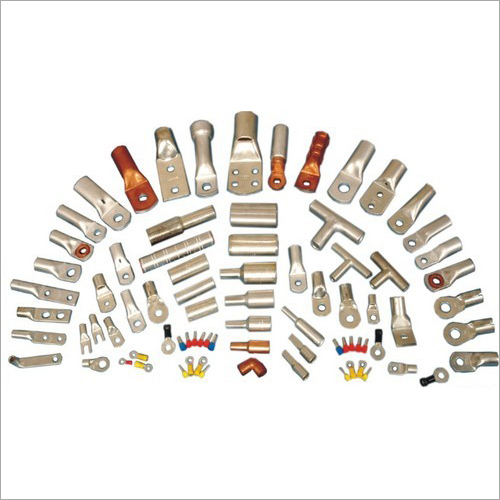
Tell us about your requirement

Price:
Quantity
Select Unit
- 50
- 100
- 200
- 250
- 500
- 1000+
Additional detail
Mobile number
Email

More Products in Electrical Products and Accessories Category
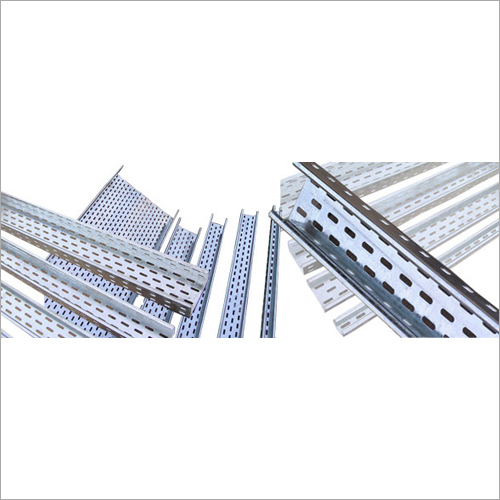
GI Cable Tray
Application : Power distribution, electrical wiring management
Color : Silver/Galvanized
Product Type : Perforated GI Cable Tray
Usage : Industrial and commercial cable management
Function : Supports and secures electrical cables

Nylon Cable Ties
Application : Industrial, electrical installation, automotive, office, home
Color : Natural (white)
Product Type : Nylon Cable Tie
Usage : Electrical, wiring support, cable management
Function : Securing and organizing cables or wires
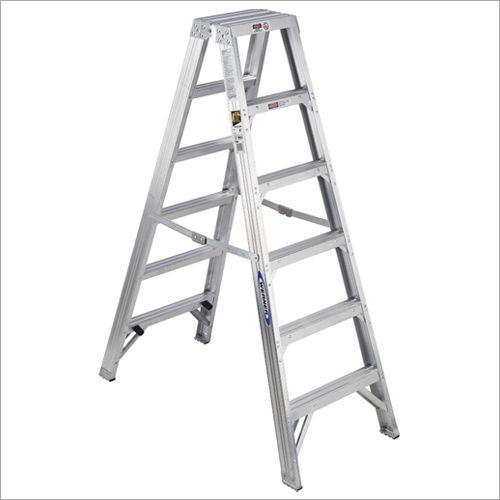
Step Ladder
Application : Home, Office, Industrial use
Color : Silver and Black
Product Type : Step Ladder
Usage : Indoor and outdoor manual climbing assistance
Function : Provides a secure and stable platform for reaching higher places safely.
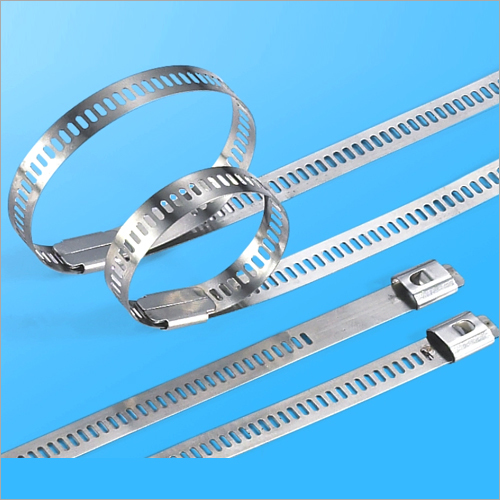
SS Cable Ties
Minimum Order Quantity : 1 Unit
Application : Industrial
Color : Silver
Product Type : Cable Ties
Function : Tightened Cable

 Send Inquiry
Our Products


481, Botawala Building, 2nd Floor, Kalbadevi Road, Near United Bank Of India,Mumbai - 400002, Maharashtra, India

Mr Pratik Jatin Shah
(Partner)
Mobile :08045802319
 Send Inquiry
 Send SMS
 Call Me Free
Developed and Managed by Infocom Network Private Limited.


 English
 Spanish
 French
 German
 Italian
 Chinese (Simplified)
 Japanese
 Korean
 Arabic
 Portuguese